Michelin-star and luxury hospitality
Executive kitchens where precision, prep rhythm, and standards had to hold every night, without exception.
Best Practice Culinary is an independent, chef-led practice led by Damian Zedower — an executive chef and operations leader with more than thirty years running kitchens, openings, commissaries, and multi-unit operations. The work is advisory now, but the perspective is still an operator's.
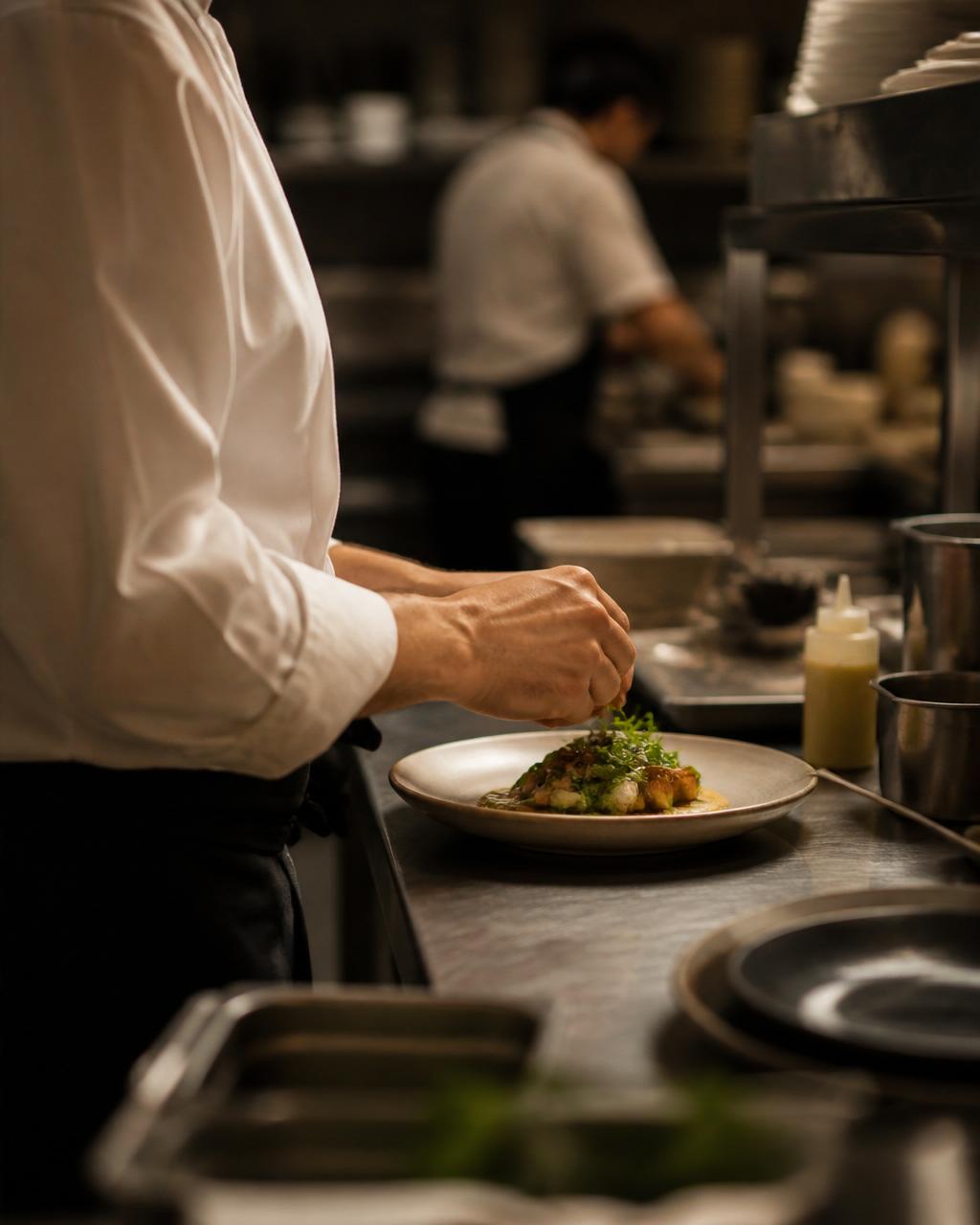
The skills that open a restaurant are not always the ones that scale it. Growth introduces friction before it shows up as a problem — usually in the places that worked fine when the business was smaller.
Every recommendation here comes from having stood in the same position: on the line, at the pass, in the office, and in front of a team on opening night. The work begins by understanding what is actually happening in the operation. Systems, standards, and routines follow from there.
Michelin-star kitchens, luxury hospitality, fast casual, multi-unit groups, commissaries, production, openings, and executive leadership. The value is not any single credential — it is the pattern recognition that comes from working across all of them, and knowing which patterns apply to a business at your stage of growth.
Executive kitchens where precision, prep rhythm, and standards had to hold every night, without exception.
Operations that repeat across locations without losing the thread — the discipline of scaling from one to many.
Volume, throughput, and the quiet infrastructure that lets a growing group cook consistently at scale.
New concepts, new teams, and the routines that hold a business together long after opening week.
Grouped as themes, not a menu to choose from. Most engagements touch several — because operations rarely have a single cause, and the best answers usually sit at the seams between them.
Kitchen layout, workflow, production flow, and commissary design — planned around how the food and the team actually move, not around a floor plan.
Labor optimization, capacity planning, SOP development, training, and operational assessments that translate standards into daily habits.
Menu engineering and product development at the intersection of food, prep, pricing, purchasing, execution, profitability, and guest experience.
Vendor practices, ordering rhythm, and cost visibility that make margins easier to read before they become harder to control.
What managers check, how they train, and what needs to become repeatable before another location, another menu, or another team.
Equipment evaluation and validation when it matters, and the practical use of modern restaurant technology and AI where it makes the operation easier to run — not as a headline.
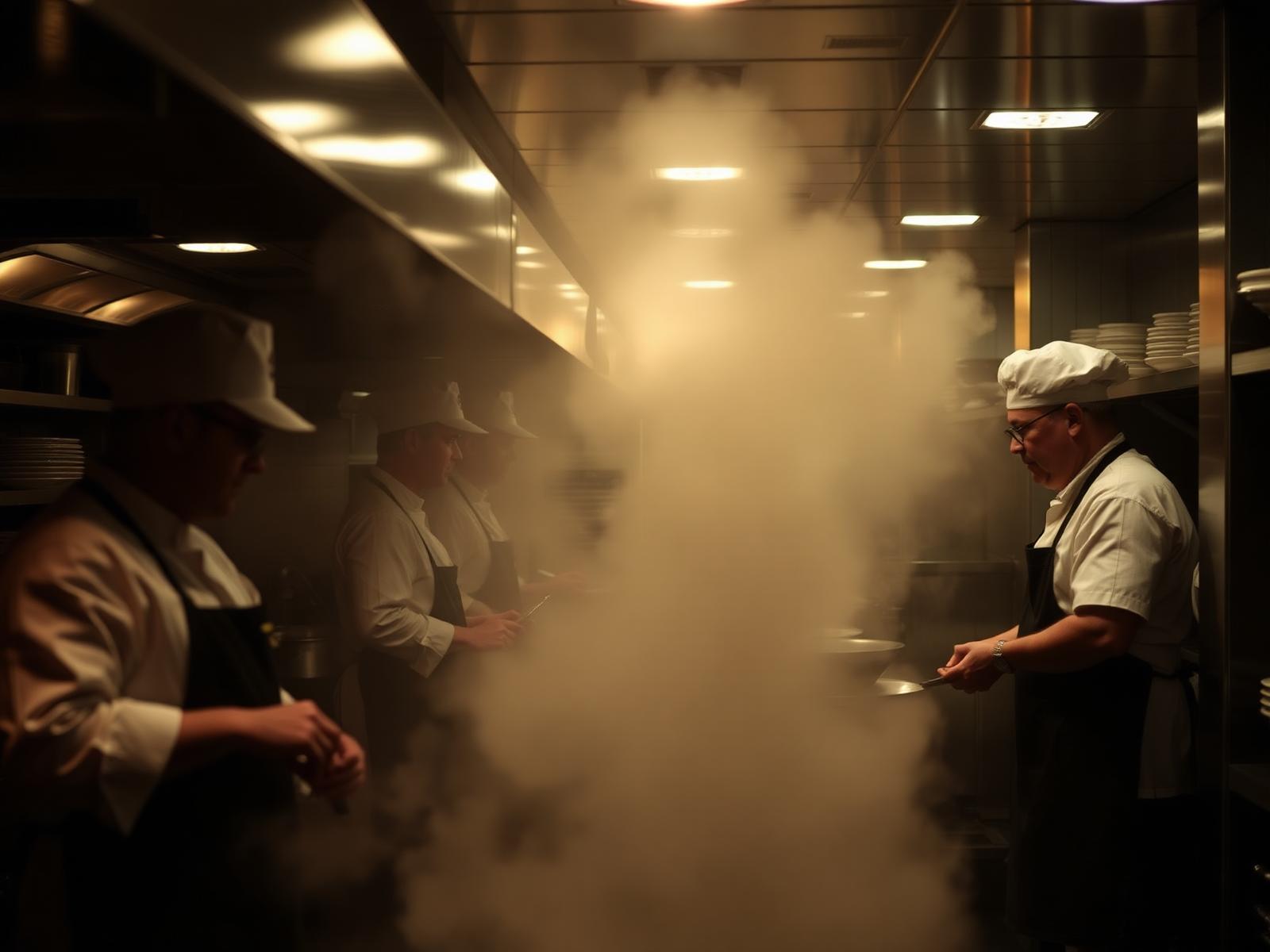
Kitchen design, production flow, capacity planning, and commissary layout are treated as operating decisions — not floor-plan decisions. When it matters, equipment is evaluated and validated inside that plan, so purchases serve the operation instead of shaping it.
Modern restaurant technology and AI are used where they quietly make the operation easier to run: forecasting, prep, scheduling, purchasing. Useful tools, not a headline.
Restaurant operations consulting is the primary work. Private dining, events, and chef-prepared meals are the same standards and craftsmanship applied at a quieter scale — not separate businesses.
Owners often reach out when the methods that built the first locations are starting to strain against the next one. A short conversation is usually enough to begin — and often reveals opportunities that are hard to see from inside.